



How to protect your horse’s tendons and joints: a practical guide
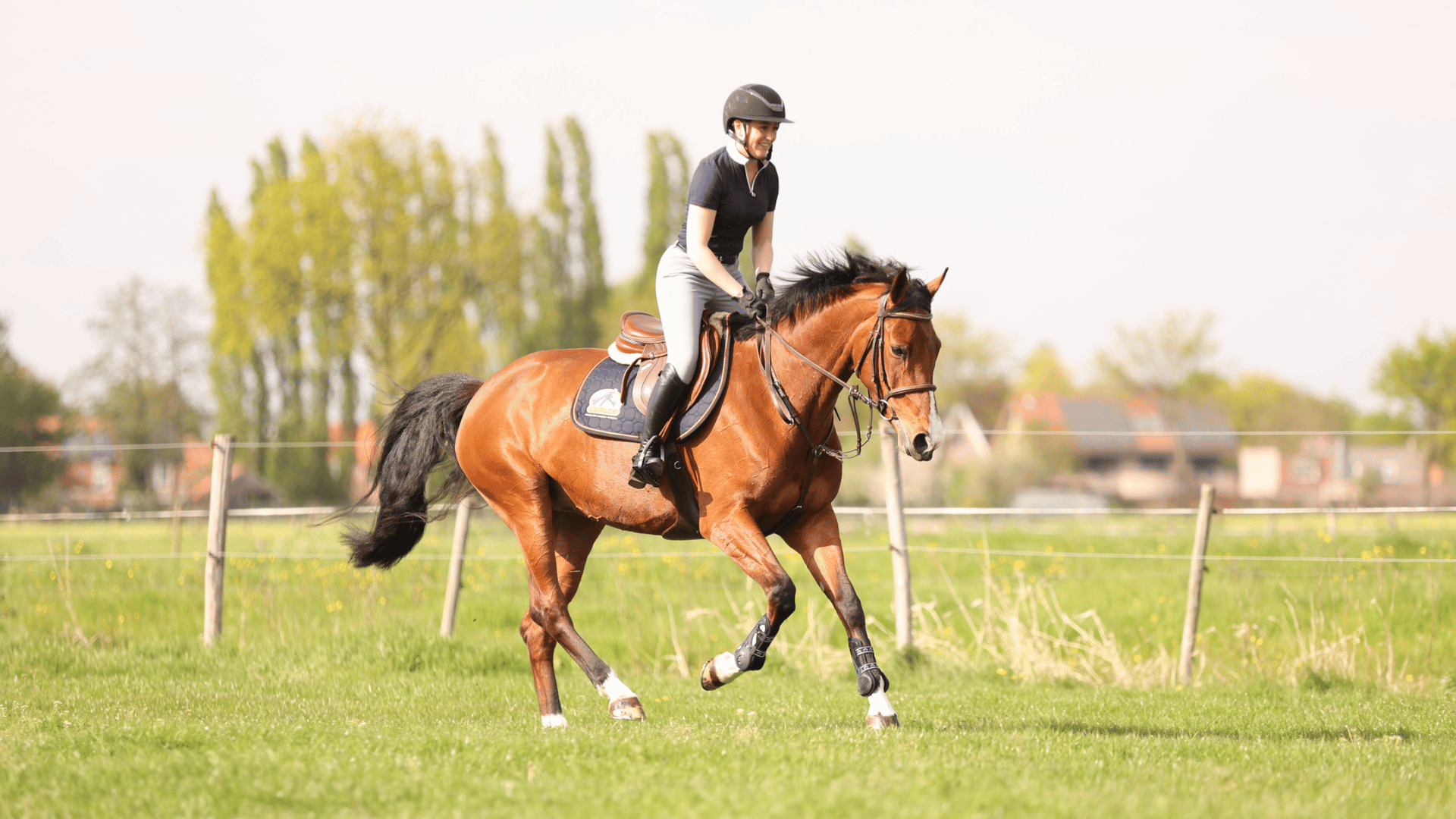
Ask any experienced rider or trainer about their biggest concern, and joint and tendon health will likely be high on the list. These structures are fundamental to everything your horse does, from a quiet hack to top-level sport. At the same time, they are among the most vulnerable parts of the equine body. Understanding how to support them — and how to recognise early warning signs — can make a real difference to your horse’s long-term soundness and wellbeing.
Know the warning signs
Tendon and joint issues don’t always present dramatically. Early signs are often subtle and easy to overlook or misinterpret. Keep an eye out for:
- Localised swelling or heat around a joint or along the lower leg
- Sensitivity when applying light pressure to a tendon
- Stiffness or reluctance to move freely, especially when leaving the stable
- Changes in gait, such as unevenness, a shortened stride, or resistance in one direction
- Reduced ability to fully flex or extend a joint
If something feels off during grooming or riding, it’s worth investigating. Consulting your vet early is always preferable to waiting and hoping the issue resolves itself.
Why injuries happen — and how to reduce the risk
Most tendon and joint injuries are not sudden accidents but the result of repeated strain over time. Common risk factors include overtraining without sufficient recovery, working on hard or uneven surfaces, and inadequate footing. Poor shoeing can create uneven loading, while skipping warm-up or cool-down routines leaves tissues unprepared for effort.
Fortunately, many of these risks can be managed. A progressive training schedule, consistent farriery, appropriate surfaces, and structured warm-up and cool-down routines all contribute to healthier joints and tendons. Extra care is needed for young or growing horses, as their musculoskeletal systems are still developing and more prone to strain.
The role of nutrition in joint and tendon health
Nutrition is often underestimated but plays a key role. Tendons, ligaments, cartilage, and joint capsules are living tissues that rely on the right nutrients to remain strong and resilient.
A balanced diet with quality protein, omega-3 fatty acids, and antioxidants provides a solid foundation. In addition, targeted nutrients such as glucosamine, chondroitin, collagen, and MSM can support cartilage maintenance, joint lubrication, and connective tissue strength. These ingredients are well researched and have specific roles in supporting musculoskeletal health.
Choosing the right support for your horse
Support should match the workload and life stage of the horse. A young horse in light work has different needs than a competition horse in intensive training.
- Light work or growing horses: A daily maintenance supplement with glucosamine, chondroitin, collagen, and MSM helps provide a preventive base.
- Sport horses in regular training: More comprehensive support can be useful, targeting joints, tendons, cartilage, and recovery between sessions.
- Horses in recovery or prone to overexertion: Targeted nutritional support can aid tissue repair. Ingredients such as undenatured collagen, vitamin C, and trace minerals like copper, zinc, and manganese are particularly relevant.
Cavalor’s range of joint and tendon supplements — including Arti Motion, Arti Matrix, ArtiTec, and Arti Repair — is designed to support these different needs. ArtiTec, for example, was developed through seven years of research in collaboration with Ghent University, with clinical results showing improved movement in 74% of horses studied.
Start before there’s a problem
A proactive approach is the most effective way to protect tendon and joint health. By the time clear signs such as swelling or lameness appear, damage may already be present. Regular monitoring, thoughtful training, and consistent nutritional support from an early stage all help keep your horse sound for longer.
Supporting your horse’s joints and tendons doesn’t have to be complicated. Often, it comes down to providing the right care consistently — before issues arise.